Maa Skandamata 2026: Mantra, Puja Vidhi, Bhog & Significance
Maa Skandamata 2026: Mantra, Puja Vidhi, Bhog & Significance
The fifth day of Shardiya Navratri is dedicated to Maa Skandamata, the fifth manifestation of Goddess Durga. In 2026, Navratri Day 5 falls on Thursday, October 15. Devotees worship Maa Skandamata with prayers, flowers, traditional offerings and the chanting of her sacred mantra.
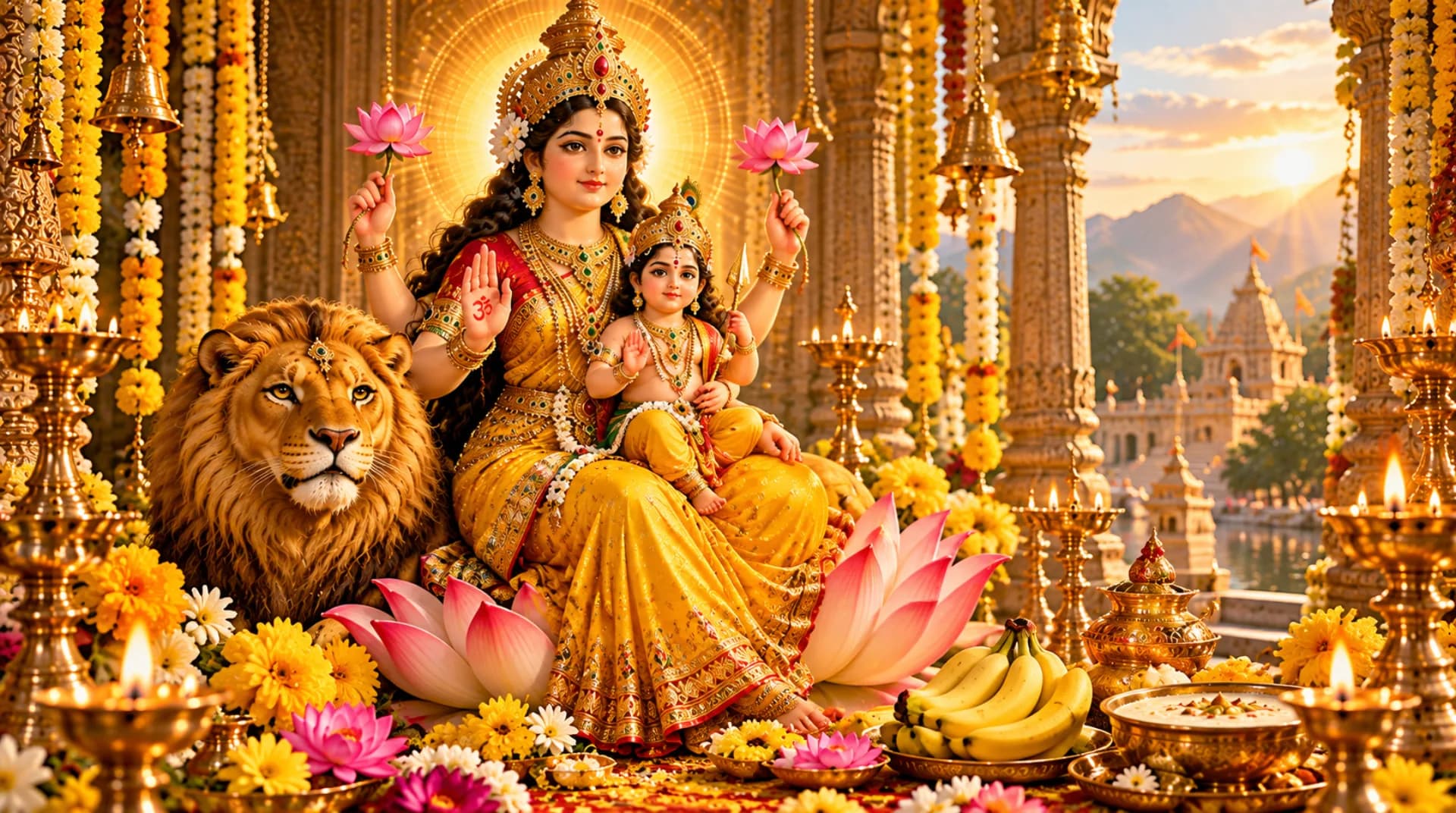
Maa Skandamata represents maternal love, compassion, protection and divine strength. Her image with infant Lord Skanda, also known as Kartikeya, in her lap reminds devotees of the sacred bond between a mother and her child.
If you are observing Navratri at home, here is a guide to Maa Skandamata's significance, mantra, puja vidhi, bhog and the traditional colour associated with the fifth day.
Navratri Day 5 2026: Key Details
Date: Thursday, October 15, 2026
Day: Fifth day of Shardiya Navratri
Goddess: Maa Skandamata
Tithi: Shukla Paksha Panchami, according to the traditional day-wise observance
Popular colour: Yellow
Traditional bhog: Banana
Main mantra: Om Devi Skandamatayai Namah
Exact tithi timings depend on the location. If you need a specific puja muhurat, consult a reliable local Panchang for your city.
Who Is Maa Skandamata?
Maa Skandamata is the mother of Lord Skanda, widely known as Kartikeya. The name Skandamata means “mother of Skanda.” She is worshipped as the fifth form of Navdurga during Navratri.
Her traditional depiction commonly shows four arms, lotus flowers and infant Skanda seated in her lap. She may be portrayed seated on a lotus or riding a lion. The lotus represents purity and spiritual elevation, while the lion reflects courage and strength.
Her form brings together two qualities that are deeply meaningful in Hindu devotion: a mother's tenderness and the strength required to protect those she loves.
Devotees worship Maa Skandamata with faith and seek her blessings for family wellbeing, wisdom, courage and peace.
Maa Skandamata Mantra
The following mantra is commonly chanted during the worship of Maa Skandamata:
ॐ देवी स्कन्दमातायै नमः॥
Om Devi Skandamatayai Namah.
Devotees may chant the mantra during morning puja or while meditating on the Goddess. Those who follow a regular mantra practice may repeat it 11, 21 or 108 times according to their tradition and convenience.
Maa Skandamata Prarthana Mantra
सिंहासनगता नित्यं पद्माश्रितकरद्वया।
शुभदास्तु सदा देवी स्कन्दमाता यशस्विनी॥
This prayer praises Maa Skandamata as the auspicious Goddess associated with the lotus and divine protection. Devotees may recite it alongside their regular Durga prayers.
Maa Skandamata Puja Vidhi at Home
You do not need an elaborate arrangement to offer a sincere prayer. Follow your family's tradition and keep the worship area clean and peaceful.
Puja Samagri
Image or idol of Maa Skandamata
Diya with ghee or oil
Roli or kumkum
Akshat (uncooked rice used in puja)
Fresh flowers, including yellow flowers if available
Incense, if used in your tradition
Clean water
Bananas or other suitable fruit
Prasad and a puja bell, if available
Simple Puja Steps
1. Clean the puja area. Bathe, wear clean clothes and prepare the place where you worship.
2. Light a diya safely. Offer your prayers and follow any established Kalash puja if you installed a Kalash at the beginning of Navratri.
3. Invoke Maa Skandamata. Place her image or idol in the puja area and offer a prayer with devotion.
4. Offer flowers and traditional items. Present roli or kumkum, akshat, flowers and water according to your family practice.
5. Offer bhog. Bananas are a common traditional offering on this day. Other suitable sattvic offerings may also be used according to regional customs.
6. Chant the mantra. Recite “Om Devi Skandamatayai Namah” with a calm and focused mind.
7. Perform aarti. Conclude with Maa Durga or Maa Skandamata aarti, then distribute the prasad among family members.
These are general steps rather than a requirement that every household follow an identical ritual. Regional and family traditions may differ.
What Bhog Is Offered to Maa Skandamata?
Bananas are traditionally offered as bhog to Maa Skandamata on the fifth day of Navratri. Devotees may offer fresh bananas and distribute them as prasad after the puja.
Depending on local and family customs, other fruits or simple sattvic preparations may also be offered. The intention behind the offering and the devotion with which it is made are central to the worship.
What Is the Navratri Day 5 Colour in 2026?
Yellow is the popular colour associated with Navratri Day 5 in 2026. It is commonly linked with happiness, optimism, warmth and positive energy.
Devotees who follow the day-wise colour tradition may wear yellow clothes, offer yellow flowers or use yellow decorations in their puja area. However, Navratri colour traditions can differ by region, calendar and family practice. Wearing a particular colour is optional, not a requirement for worship.
Why Do Devotees Worship Maa Skandamata?
Maa Skandamata's form is closely associated with maternal affection, protection and strength. With Lord Skanda in her lap, she represents the loving and protective aspect of the Divine Mother.
In Hindu devotional belief, worshipping her is associated with prayers for children's wellbeing, harmony at home, courage and spiritual growth. These are matters of faith and devotion rather than guaranteed material outcomes.
Her symbolism also offers a simple reflection for everyday life: compassion and strength are not opposites. Caring for others can itself be an expression of courage.
Navratri Day 5 Vrat: What Can You Eat?
Fasting customs differ across communities and households. People who observe a Navratri vrat commonly choose foods permitted by their tradition, such as:
Fresh fruits
Milk and curd
Makhana
Sabudana
Kuttu or singhara flour preparations
Samak rice
Nuts and permitted vegetables
Sendha namak, where allowed by the family's fasting practice
Always follow your own family's observance rules. Fasting is not suitable for everyone; people with medical conditions, specific dietary needs or medication requirements should avoid restrictive fasting without appropriate professional advice.
How to Observe Navratri Day 5 Meaningfully
You can keep the day simple and devotional:
Offer prayers to Maa Skandamata.
Chant her mantra or recite a Durga prayer.
Offer bananas or other traditional bhog.
Follow your family's fasting customs, if observing a vrat.
Spend a few moments reflecting on compassion, protection and gratitude.
Share prasad or offer help to someone in need.
The purpose is not to make the ritual complicated. It is to create time for devotion, reflection and positive intentions.
Frequently Asked Questions
1. When is Maa Skandamata Puja in 2026?
Maa Skandamata is worshipped on Thursday, October 15, 2026, the fifth day of Shardiya Navratri.
2. What is the mantra of Maa Skandamata?
The commonly used mantra is “ॐ देवी स्कन्दमातायै नमः॥” (Om Devi Skandamatayai Namah).
3. Which bhog is offered to Maa Skandamata?
Bananas are a traditional offering. Other fruits and sattvic preparations may be offered according to family or regional customs.
4. Which colour should be worn on Navratri Day 5 in 2026?
Yellow is the popular colour associated with Day 5 in 2026. Following the colour tradition is optional.
5. How many times should Maa Skandamata's mantra be chanted?
There is no single count that every devotee must follow. You may chant it 11, 21 or 108 times, or according to your established family practice.
6. Can Maa Skandamata Puja be performed at home?
Yes. Devotees can perform a simple home puja with a clean worship area, flowers, a diya, suitable offerings and prayers, following their family tradition.
Continue Your Navratri Journey
Explore our Navratri guides for more information about the festival and the forms of Goddess Durga:
Note: Please ensure each linked article is published and its URL is correct before publishing this post.
Conclusion
Maa Skandamata, worshipped on the fifth day of Shardiya Navratri, represents the loving and protective power of the Divine Mother. On October 15, 2026, devotees can honour her through a simple puja, the chanting of her mantra and traditional offerings such as bananas.
May this auspicious day inspire compassion, courage, gratitude and peace in every home.
Jai Mata Di!
AI-powered astrological guidance based on your exact birth details — available 24/7
Try ChatKarmic Free →